A home energy audit in Ontario is a two-visit process, and for most detached and semi-detached homes the combined fee for both visits lands between roughly $700 and $1,100 before HST. At Green Canada Energy Advisors we carry out these evaluations for Ontario homeowners, and the real home energy audit cost in Ontario is lower than the invoice: a program rebate pays back most of the fee once you finish the work.
The audit itself is an EnerGuide home evaluation, completed by a registered energy advisor working for a service organization licensed by Natural Resources Canada. Is it worth it? Yes, if you plan insulation, windows and doors, air sealing or a heat pump water heater, because the Home Renovation Savings program requires a pre-retrofit energy audit before those rebates are paid. If you only want a heat pump, a smart thermostat or solar with battery storage, you can skip it.
The table below compares each cost you will see on the way from the first visit to the rebate cheque.
| Cost item | Typical Ontario price | Time on site | When it applies |
|---|---|---|---|
| Initial (pre-retrofit) EnerGuide evaluation | $500 to $700 + HST | About 2 hours | Paid upfront, before any renovation work starts |
| Follow-up (post-retrofit) evaluation | $200 to $400 + HST | About 1 hour | Paid after your upgrades are installed |
| Home Renovation Savings assessment rebate | $600 back | None | After the follow-up visit and at least two qualifying upgrades |
| Three-upgrade bonus | $500 back | None | Three or more upgrades, post-renovation visit on or after January 5, 2026 |
| Possible surcharges | Set by each service organization | Varies | Large homes, travel outside the service area, additions built between visits |
EnerGuide evaluation cost: what the fee covers
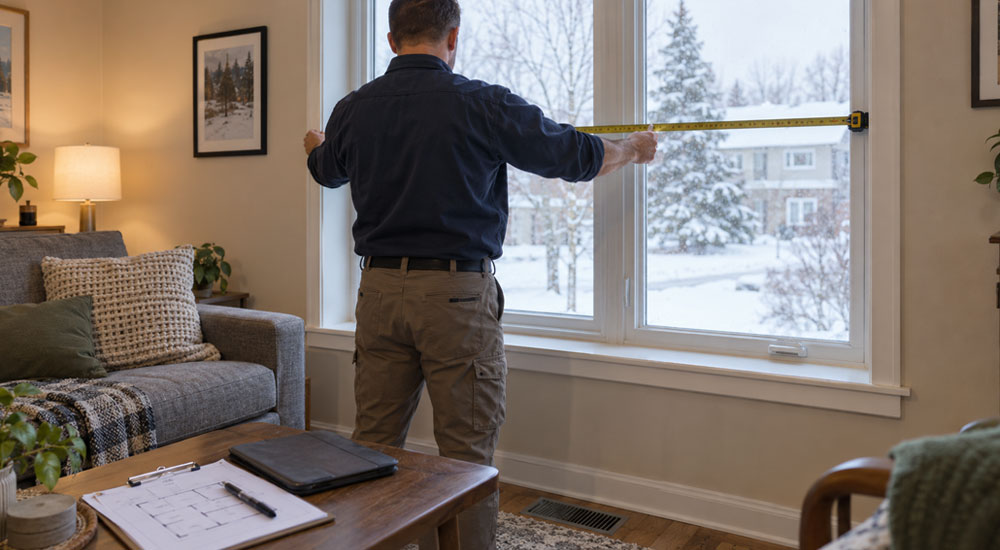
The EnerGuide evaluation cost pays for the advisor’s time on site and the modelling that follows. On the first visit, the advisor walks the house from basement to attic, measures walls, windows and ceilings, records insulation levels and notes the efficiency of your furnace or boiler, water heater and ventilation equipment.
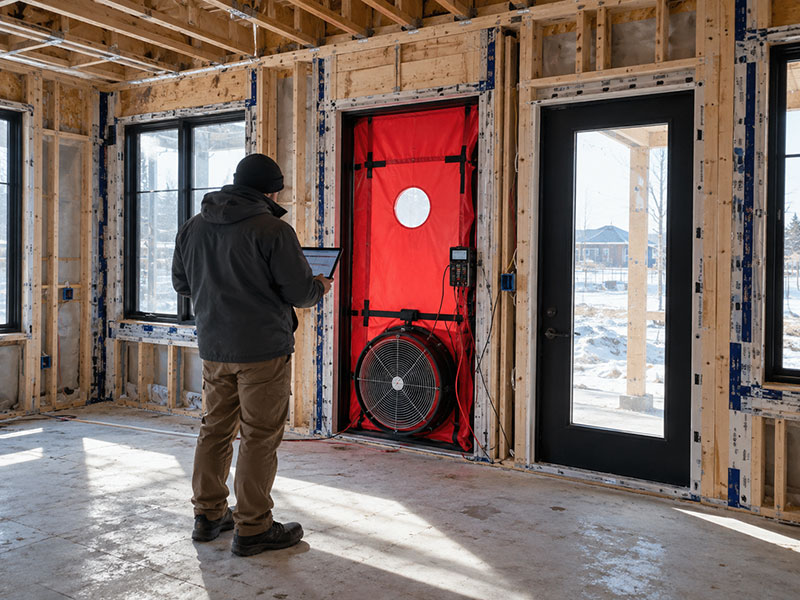
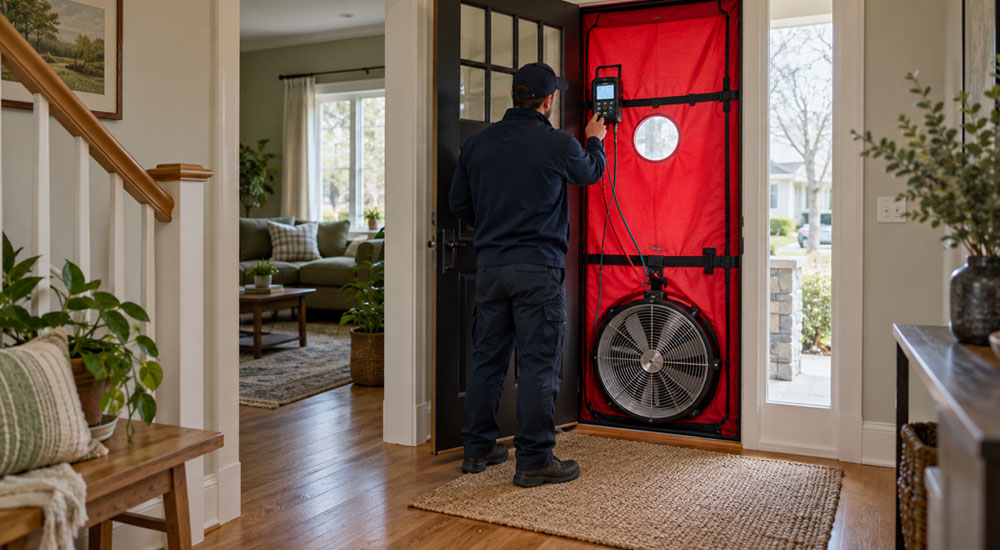
The centrepiece is the blower door test. A calibrated fan fitted into an exterior door depressurizes the house so the advisor can measure total air leakage and track down drafts around rim joists, attic hatches, plumbing stacks and older windows. That measured number matters later, because it becomes the air tightness target your air sealing contractor has to beat.
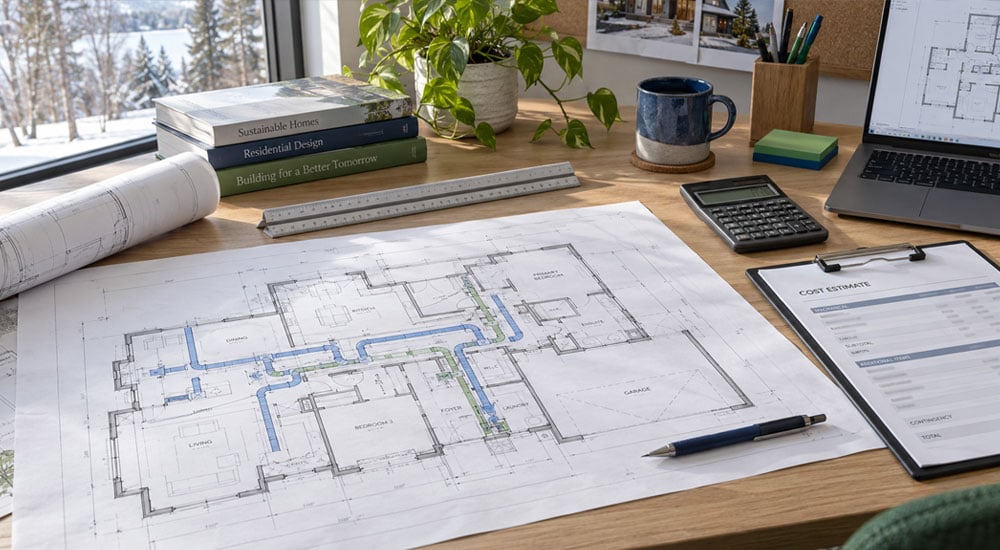
Everything collected goes into HOT2000, the Natural Resources Canada modelling software behind the EnerGuide Rating System. You receive three documents: the EnerGuide label showing your home’s rating in gigajoules per year (lower is better), a Homeowner Information Sheet explaining how the rating was calculated, and a Renovation Upgrade Report listing the upgrades that would make the biggest difference in your house.
Price differences between service organizations usually come from the house rather than the report. Homes above roughly 3,000 sq ft (280 m²) take longer to measure, rural addresses add travel time, and an addition built between the two visits means the advisor has to rebuild part of the model, so ask about all three before you book.
Are energy audits worth it for your renovation
Whether energy audits are worth it depends on what you plan to do next, so run the numbers on a real project. Take a 1970s bungalow in Markham heated by an Enbridge gas furnace, with R-12 in the attic and eight original windows. The owners top up the attic to R-50 ($1,500 rebate), replace the eight windows with ENERGY STAR certified units ($800) and air seal the house to 10% better than the target in their report ($250).
That is $2,550 in upgrade rebates. With the assessment rebate and the three-upgrade bonus on top, the household receives $3,650. If their two visits cost $600 and $300 plus HST, the home energy audit cost in Ontario for this family was $1,017, and the assessment rebate returned $600 of it. The remaining $417 was the entry ticket to $3,050 in other rebates.
The same audit makes less sense in three situations. If you only want a heat pump, smart thermostat or solar with battery storage, those rebates sit in the program’s no-assessment stream. Stacked townhomes are not eligible for the program at all. And if a contractor has already started insulation or window work, the bundled stream is closed to that project.
There is also a reason to book one that has nothing to do with rebates. The air leakage and insulation figures from an evaluation are exactly what a contractor needs to size a heat pump properly, which helps avoid paying for an oversized system that short-cycles through Ontario’s shoulder seasons.
How long does an energy audit take
The visits themselves are short. How long an energy audit takes from start to finish depends mostly on the stretch between them.
Before the first visit, give the advisor clear access to the attic hatch, basement walls, furnace and water heater. Keep the heating system running, close all windows and exterior doors, and clean ashes out of any wood-burning fireplace, since the blower door will pull air through it.
After the report arrives, your pace depends on contractors: getting quotes, booking insulation or window crews and waiting for installation. Once the follow-up assessment is done and your advisor submits the paperwork, the program pays within 30 days by Interac e-Transfer or within 60 days by mailed cheque.
Pre-retrofit and post-retrofit energy audit rules
Most rejected rebate claims break one of a few simple rules. The pre-retrofit energy audit must happen before any assessment-stream work begins, and the upgrades you claim must be ones recommended in your Renovation Upgrade Report. You need at least two of them.
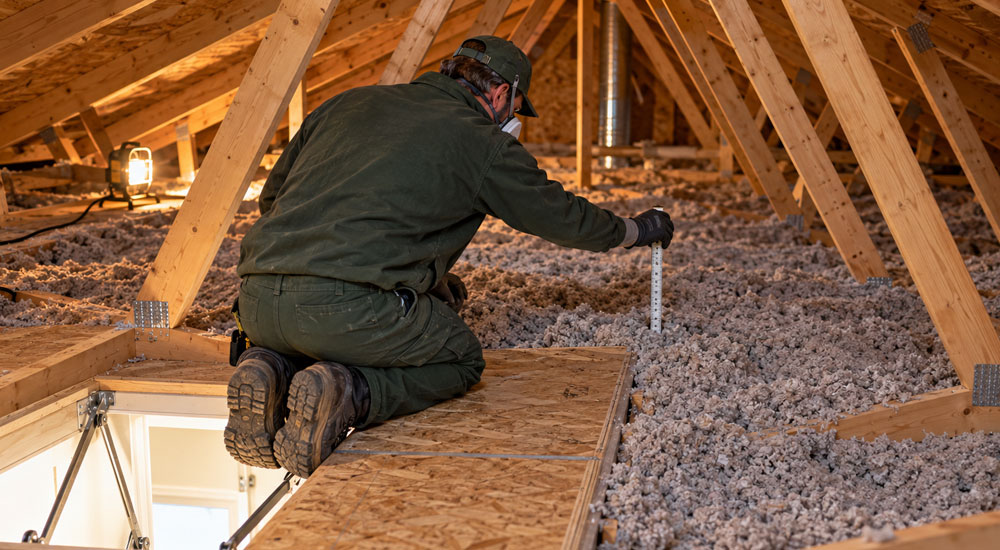
The post-retrofit energy audit has to be completed by the same registered energy advisor who did the first visit, so choose a service organization you are comfortable staying with, and confirm it is on the program’s approved list before you book. The assessment rebate can only be claimed once per participant, per home, for the life of the program.
Air sealing deserves special care. Meeting the air tightness target in your report earns $200, while beating it by 10% or more earns $250. Because blower door results can surprise people, the program itself recommends treating air sealing as your third upgrade rather than one of the two you depend on.
Eligibility is limited to homeowners (landlords apply for tenanted houses) living in detached, semi-detached, row or townhouse homes, or mobile homes on a permanent foundation. Gas-heated homes must be Enbridge Gas customers; homes heated with electricity, propane, oil or wood must be on the Ontario electricity grid. Toronto owners can pair the rebates with low-interest financing from the City of Toronto’s Home Energy Loan Program.
The cheapest audit is the one booked at the right moment: before a single batt of insulation or window is ordered, with at least two upgrades you are likely to complete. If you are planning a renovation this year, contact our team to schedule your pre-retrofit visit, and we will walk you through which upgrades in your report carry the best rebate for your home.